| Museumegypt Site Ring Ring Owner: yasser kamel Site: Museumegypt | ||||
 |  |  |  |  |
| Get Your Free Web Ring by Bravenet.com | ||||
Friday, March 23, 2007


Wednesday, March 21, 2007

Artmuseum
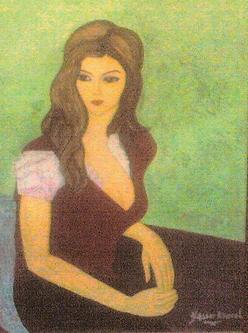
It is all about sculpture and art.I have my own Artwork presented here and I welcome any comments. yasser kamel
The Cat Mummies at The British Museum

Bastet, the cat-goddess,who was the patroness goddess against the evil and the bad spirits, accordingly to Book of the Dead. She is seen often in the Book of the Dead while slaying the evil -snake "Abuphis", also she transforms and reincarnates into seven instars, each has a function. May be that made the modern Egyptians to describe the cat to have seven lives. Bastet also was the goddess of magic and her cult was settled in the Nile delta at the north of Egypt. The onomatopoeic name for the cat in the Egyptian Hieroglyphs is "mew" which in way or another had been transferred to the western languages! The British Museums keeps a marvelous collection of cat mummies and mummy cases that date back to 1900-1000 B.C, most of it were brought from Tel Basta cat cata-combs at the Nile Delta. Copyrig © 2006
Tuesday, March 20, 2007
古代 イジプト の 一番 古く はしご と 蛇 は ゲーム です。


もともと、古代 イジプト に いろいろ な ゲーム が ありました。3000年前、紀元前 、王国時代 で イジプト はしご と へび の はつめい が 持ちました。その ゲームは 石灰 で 造り、蛇 は の からだ は かいだん でしたね。もデン な はしご と 蛇 ゲーム の くんれい は ほとんど 、 古く はしご と 蛇 は ゲーム は 同じ でしたね。全体に 死者 の 書 に はしご と 蛇 は ゲームの くんれい は さかさか でした、何時も 天気 まだ、蛇 は 死者 を じさん、しかし、はしご は 地 まだ、死者 を じさんを します。Copyrig © 2006
The role of Seth in the Egyptian creeds

The ancient myth describes Seth to be the chaotic force and the force of darkness which Ra had to confront in order to create the cosmos and the livings. Seth appears to be a pure evil force that causes disasters, illness, draughts and catastrophes. Also he appears mainly in a figure of an anthropomorphically being that has an unknown animal face, that animal resembles an ant-eater!? . The development of the Hieroglyphs across all periods of Egyptian history had added a lot more to the characteristics of Seth so it gained extra meanings and functions such as the verb set or seth which means cut ,tear , dismember and destroy and some nouns such as death, extinction, extermination, vanish and so on. In the ancient creeds, Seth was avoided, his name wouldn't be mentioned, and none of the temples would be dedicated to him and this after him to commit the unforgivable sin of murdering his brother Osiris. The new-kingdom had come some critical changes towards Seth as some of its kings had names that bear the character or the figure of Seth in it, such as in the name of king Seti I or Seti II which mean the one belongs to Set. Seth had generally to transform into different figures of animals or birds such as hippos, snakes, turtles, bats or enemies. The change can refer to having Seth to enjoy the strength and the invincibility in wars, also seeing some kings in carvings or sculpture standing in between the two contradicting forces, Horus and Seth, which represents the will of the king to establish a balance or the yen and yang before china even to realize it. Copyrig © 2006
Monday, March 19, 2007
The British museum, The mummy of Ginger

The most famous mummy in the Egyptian collection of the British museum is the one known as Ginger. Ginger's mummy is the oldest among discovered mummies of ancient Egypt as it goes back to 3200 B.C and dates back to the predynastic era. A collection of Predynastic mummies were discovered, some of that collection were naturally preserved while some were artificially preserved. Ginger belongs to the fetal- mummy type as it was buried in a shape of fetus while in his mother's womb. In the early believes of prehistoric Egypt, the earth was believed to be a female / mother goddess and that can explain why the early mummies took that shape.Museumegypt.2006.All rights reserved.
Thursday, March 15, 2007
Wednesday, March 14, 2007
Hatshepsuite Temple, the presentation of the Erap-jars

King Thutmoses III presents the Erapp-jars to god Horus.

The offerings in ancient Egypt were various; some were produced from vegetables while others were related to birds or animals or from other different sources. The ancients of Egypt were an alcoholic people, they produced different kinds of wine and beer and due to that they stored many of alcoholic jars in their tombs to save a stuck for the life after death. The early excavators to the step- pyramid at Sakkara "it belongs to king Zoser, the founder of the third dynasty which is around 2878 B.C" were surprised so much of discovering hundred thousand jars and shards are scattered in the shafts, underneath of the step-pyramid. Generally, in the Hieroglyphs, these jars are called the Nu –jars but specifically if contain beer they should be called the Erap-jars. At carvings of offerings found at Hatshepsuite mortuary temple, a scene represents king Thutmoses III, meanwhile presenting the Erap-jars to god Horus. Copyrig © 2006.
Monday, March 12, 2007
Saturday, March 10, 2007
The last supper

Photo by Julie Rusby
At the old Roman sanctuary of the famous Luxor temple which is around 1400 B.C, there are remains of thick stucco layer hides the ancient carvings which belong to the 18th dynasty, reign of king Amunhotep III. That stucco layer was added by the Copts of Egypt to hide the ancient relieves and texts represent the gods of Egypt. Originally the Roman dynasty restored that old sanctuary and built a shell cap Niche for Venus and two columns and later to that the Copts reused the same area and left their paintings. Some of these paintings are to represents the disciples and the Christ. Recently some more were discovered and one is believed to be representing the last supper. Copyrig © 2006.
Friday, March 09, 2007
Monday, March 05, 2007
ツタンクアムン王 の 靴下 です。

王家の 谷 に ツタンクアムン の 有名 な 墓 が あります。1922年 に はか で 靴下 が 発見されました。その 靴下 は カイロ 博物館 に あります。
ツタンクアムン の 靴下 は 1400年 紀元前 まえ でした。また、靴下 は ひんしつ な あさ で つくられた。
Copyrig © 2006.
Saturday, March 03, 2007
古代 イジプト に 鴇 は 医 の 神様 でした。


昔、昔、古代イジプト の ナイル川 の 大水 の 時 は 全体 に たくさん の なんたいどうぶつ と 虫けら が いました。古代イジプト 人 は ときどき、 病気 だから、それに 鴇 は 全部 の なんたいどうぶつ と 虫けら を 食べれていました。それいらい、トット、鴇、神 に なりました。いま 白鴇 は 古生ぶつ に なりました。
Copyrig © 2006.
The determinative in the Egyptian Hieroglyphs

A determinative for heaven or sky

A determinative for a fight or attack

A determinative for a knife or a sword.

A determinative for beetles

A determinative for a child.

A determinative for a womb or a belly.

A determinative for flesh or meat

A determinative for a prisoner.

A determinative for liquids

A determinative for a woman

A determinative for a goddess
The Hieroglyphs has in its structure a pictogram and phonogram units, similarly to the Asian group of languages. The pictogram or the determinative picture specifies the exact meaning. Also the determinative can be a stereotype for the similar type of items or words. Once the text is to describe a flock of birds the determinative remains the same even with the changes seen at the names of each bird. The determinative also can express about emotions, feelings, actions and motion. In the late Hieroglyphs some of the inscriptions used to have pictograms or determinative without phonograms relying much on the ability of the readers to understand the meaning and to read it and on other cases the phonogram was abbreviated or reduced. Sometimes the pictogram can be used in a negative way in order to mislead specially once the scribe is forced to reveal some of his deep knowledge, he would use the determinative to show uncertainty as it is in the case of writing some medical prescriptions such as the one at Komombow temple.
Copyrig © 2006.
Friday, March 02, 2007
大英博物館 で 河馬は 悪魔 に 印 を しました。どしてん ですか?
.jpg)
古代 イジプト の 神話 に セット 神 は 悪魔 に なりました、あとで、彼 は 河馬 に うまれかわりしました。エデフォ 神殿 の かべ に 一 番 面白い 場面 が ある。その 場面 に は ホルス 神様 、はやぶさ の 形 を 持て、河馬 を しさつ を する。前代 に 河馬 は けん悪 な 動物 ね。古代 イジプト の 歴史 に 第 一 王朝 の 有名 な 王様 は ナルマル が 河馬 で そしゃく を されました。
Copyrig © 2006.
Thursday, February 15, 2007
Cairo Museum, Oedipus and The Sphinx Riddle

Cairo Museum has an interesting collection of Greco-Roman artifacts includes a masterpiece of fresco that represents the legend of Oedipus. This fresco dates back to second century A.D, the Roman Dynasty. The fresco views, from the right, Oedipus the young heir of the kingdom of Corinth while killing Laius the king of Thebes in Greece. Originally the myth describes him to be the child of king Laius and queen Jocasta of Thebes who had an oracle predicted that they shall have a cursed son who will kill his father and marries his mother and once they believed in it they pierced his feet and tied it then left him in the wilderness alone to die. Oedipus fate was determined by Agonus goddess of Agony who is seen to the left side of him just standing to watch. Then the fresco shows the sphinx as a monster that Oedipus had to face, then the myth tells that Oedipus was asked by the sphinx about a creature can walk at sunrise on four the can walk on two at noon time then walk on three by sunset, Oedipus was smart enough to solve this riddle and next to that the fresco shows Oedipus while being married to the widow Jocasta then to the left it views him piercing his eyes once he found out that he killed his father and got married to his mother. The name Oedipus in the Greek language means the swollen feet that is due to the way they tied his feet once he was a baby.
Copyrig © 2006.
| Museumegypt Site Ring Ring Owner: yasser kamel Site: Museumegypt | ||||
| | | | |
| Get Your Free Web Ring by Bravenet.com | ||||
Tuesday, February 13, 2007
一 番 古るく フーク や ナイフ や スプノ

カイロ の 博物館 に 一 番 古るく フーク や ナイフ や スプノ が あります。その セット は 全体 は 象牙 で つくられまし。先王国 の 時代 に 凡そ 3500 年 紀元前 は いろいろ な 食べ物 の セット が 発見されました。5500 年 から、古代 イジプト 人 は フーク や ナイイフ や スプノ を つかいました。
Copyrig © 2006.
Monday, February 05, 2007
A PICTURE & A COMMENT

Photo By Julie Rusby
This photo was taken inside the temple of Amun - Ra which is called the Karnak. it shows the interior of the temple of king Ramasess III ,11000 BC which is dedicated to god Amun-Ra and his triad and also has the war reliefs which represent victories of the pharaoh against his foes. In fact the karnak temple has 14 smaller temples inside.
The British Museum, A falcon-headed fish

A very rare mummy case for a mummified fish about 3ooo years old, this wooden mummy case has the face of the falcon god Horus with a body of a Nile perch .Ancient Egyptians mummified their animals since their archaic history specially the divine ones, the fish, generally, was a holy creature and as been mentioned in the myth of Osiris that his own body after been dismembered his pieces were thrown into the river and were eaten by the Nile perch and by the Elephant-snout fish. Then the fish cult had existed in
some provinces such as at Ta-Sna or Esna. Fish coffins had taken the classical forms such as the one type shown in the photo.
Copyrig © 2006.
Sunday, February 04, 2007
The British Museum, The Votive Stele of Seneb

Out of the ancient Egyptian holy land at Abydos and the holy site for Osiris which is called Bu-Sier a countless amount of votive Stelae were collected. Stele of Seneb at the British Museum is a good example of the funeral stelae which are between 1500-1200 B.C. Generally, the votive stelae should start with the HOTEP-DI-NISU spell, to invocate the underworld patron gods. The text on Seneb stele mentions " May the king become happy*kind* to give, May Osiris lord of JEDDU be happy to give him thousands of offerings from House of offerings, jars of wine and peer , cattle and poultry, everyday for the well purified, the living god in his KA * double* and his REN* name* Seneb.
Copyrig © 2006.
Saturday, January 20, 2007
Monday, January 15, 2007
Saladin between the two Invincible Cities
 Saladin,Cairo,M.Museum
 Saladin at Damascus
The Citadel of Saladin,Cairo
On my visit to Damascus at Syria a month ago I was stunned by the beauty and the charm that Damascus enjoys. Damascus population is around 5million person, but it has an organized traffic, slightly jammed at rush hours. It is looked after by the state and always left clean by its people. Its testy restaurants are extremely irresistible. I was stopped by a unique statue for Sultan Saladin,1160 AD who once ruled Egypt and Syria, stretching a mighty kingdom includes the two invincible cities Cairo and Damascus to hold the flowing Crusade campaigns .Saladin while been confronted by a perfect rival, he caused the crusades more than a defeat .The Arab history praised the tough rival for Saladin's wars ,it described King Richard The Lion-Heart with all glorious features a knight could ever have and mutually the western historians never missed a chance to through the light on Saladin the mighty knight .History mentioned that both of the great warriors had preferred peace than war and they signed the first agreement between the Crusades and the Arabs.
Sunday, January 14, 2007
古代イジプト の 一番 古く 箱船 です。
.jpg)
1954年 に ギーザ の 所で 一 番 古い と 大きい 箱船 が 発見されました。その 箱船 は クフ 王様 の きぞく でした。 大ピラミッド の 近くは 建て穴 の ま中 で クフ の はこぶね が 発見されました。古代 イジプト 人 は クフ の 箱船 の へんぺん を 建て穴 に おきました。 はこぶね の 大きさ は 45メーテル ながさ、4メーテル 高さ、3メーテル はば です。クフ の 箱船 は ぎしきよう でした。古代 イジプト の 神話に 太陽 神様 は いつつ 箱船 が もってる。
Saturday, January 13, 2007
Cairo Museum Planted with Ushapties


Cairo museum is covered with the statues so often called the" Ushapties" usually they are made of different materials and belong to different periods, some are made of stone and some are made of ceramic or wood, some of it is from the old kingdom,2800 BC -2500 BC and some are bet recent . The ancient Egyptian mythology describes it as representations to the original servants and slaves who were used often by their owners to farm their own fields and perhaps having these statue was the only replacement to the limited tradition of entombing some slaves alive by the time their master dies as we found some of the predynastic graves filled with skeletons of who were clearly buried alive next to the master. The title Ushapti has two meanings in the Hieroglyphics one is translated as Washep a farmer with a determinative picture of papyrus reeds to represent Lower Egypt farmers and sometime with lotus flowers to represent Upper Egypt farmers while the other translation is to be washep which is a verb means answer or reply
Copyrig © 2006.
象形文字 で オシリス神 の カルトシュ は 何ですか?


古代 イジプト の 神話 に オシリス 神 と 王 でした。まだ オシリス の はか が ありません、しかし、 いろいろ な カルトシュ が ある。オシリス の 一番 有名 な カルトシュ は ヱヌネフル です。その カルトシュは エヅフ神殿 に フィラ神殿 も ダンダラ神殿と が あります。古代イジプト人 は オシリス に 本当 の 王様 信じりました。それから、オシリス の 信者 は オシリス の 墓地 に 何時も、ぐさい を 持って 来ました。

Copyrig © 2006.
Subscribe to:
Comments (Atom)
Art in ancient Egypt ! My T.V talk today! I hope you find it enjoyable!💙💙💙
Art in ancient Egypt ! My T.V talk today! I hope you find it enjoyable!

-
 象形文字 で 蜂 の 名前 は ビイチイ でした。古代 イジプト の 神話 に 蜂 は 太陽 神 様 の とも ですくて、蜂 も 蓮 と 朝顔 を 匂う、蜂 は 象形文字 で ごい は 王 です。それから、蓮 の 匂うこと は うまれかわり が 印 を しました。古代 イジプト ...
 -
 The Egyptian wooden-training sword of king Tutankhamun. The Egyptian fighting-sword of king Tutankhamun. Ancient Egypt had developed ...
 -
Art in ancient Egypt ! My T.V talk today! I hope you find it enjoyable!
